Fix Before You Replace: Smarter Care for Connected Homes
Today we dive into predictive maintenance for smart homes—fixing before replacing. By listening to subtle signals from everyday devices, we can intervene early, avoid breakdowns, and extend lifespans. Expect practical tactics, real stories, and actionable checklists. You will see how small sensors, thoughtful data models, and human-friendly automations transform stress into calm confidence. Together we will turn early warnings into timely fixes, preserving budgets, comfort, and our planet.

The Hidden Downtime Tax

A failed furnace during a cold snap or a dead fridge before a holiday dinner costs more than a bill. It steals time, energy, and comfort. Predictive signals surface faint clues—slight temperature drift, longer cycles, unusual runtimes—days or weeks earlier. Acting on them ensures repairs happen on your schedule, not during a frantic emergency. That freedom alone often outweighs any sensor or software investment you make.
The E‑Waste You Didn’t See Coming

Replacing an entire appliance because of one failing component accelerates waste, even when recycling programs exist. Early detection spotlights replaceable parts—bearings, belts, filters, anode rods—preserving the heart of a device. You keep familiar controls, reduce packaging, and avoid shipping impacts. This mindset supports repairability, aligns with right‑to‑repair values, and keeps useful machines in service longer. Your home becomes a quiet protest against throwaway culture, grounded in data, prudence, and care.
Savings That Stack: Energy, Labor, Warranty
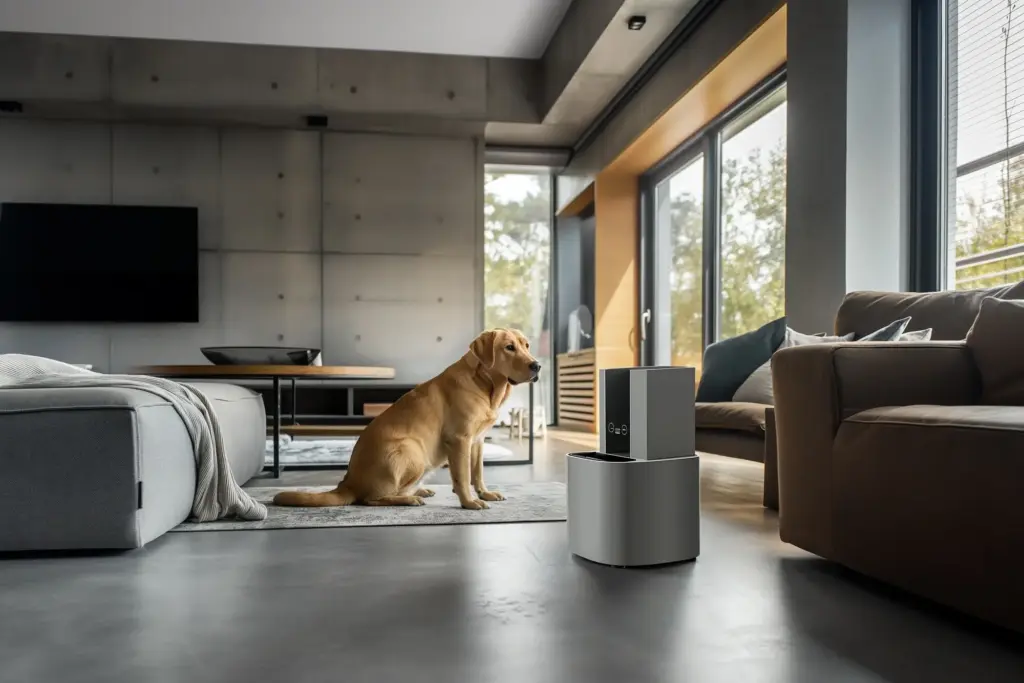
Minor inefficiencies add up: a clogged filter, fouled coil, or unbalanced drum draws extra energy daily. Multiply small waste by months and utility rates, and you fund your own maintenance budget unknowingly. Catch issues early, book routine service, and document readings. Manufacturers appreciate records, warranties remain intact, and technicians arrive prepared with the right part. What begins as cautious monitoring becomes layered savings, compounding into resilience and predictable household costs.
Sensors That Listen to Your Home’s Heartbeat
Your home already hums with telltale signals. Vibration patterns hint at bearing wear, microphones pick up cavitation and rattles, temperature deltas betray airflow issues, and smart plugs reveal power anomalies. Leak, pressure, and humidity sensors round out the picture, revealing gradual drift before a dramatic failure. By blending a few inexpensive sensors with thoughtful placement, you create reliable early warnings. The result is confidence: you can see change before it becomes damage.
Data, Models, and Meaningful Alerts
From Raw Readings to Actionable Signals
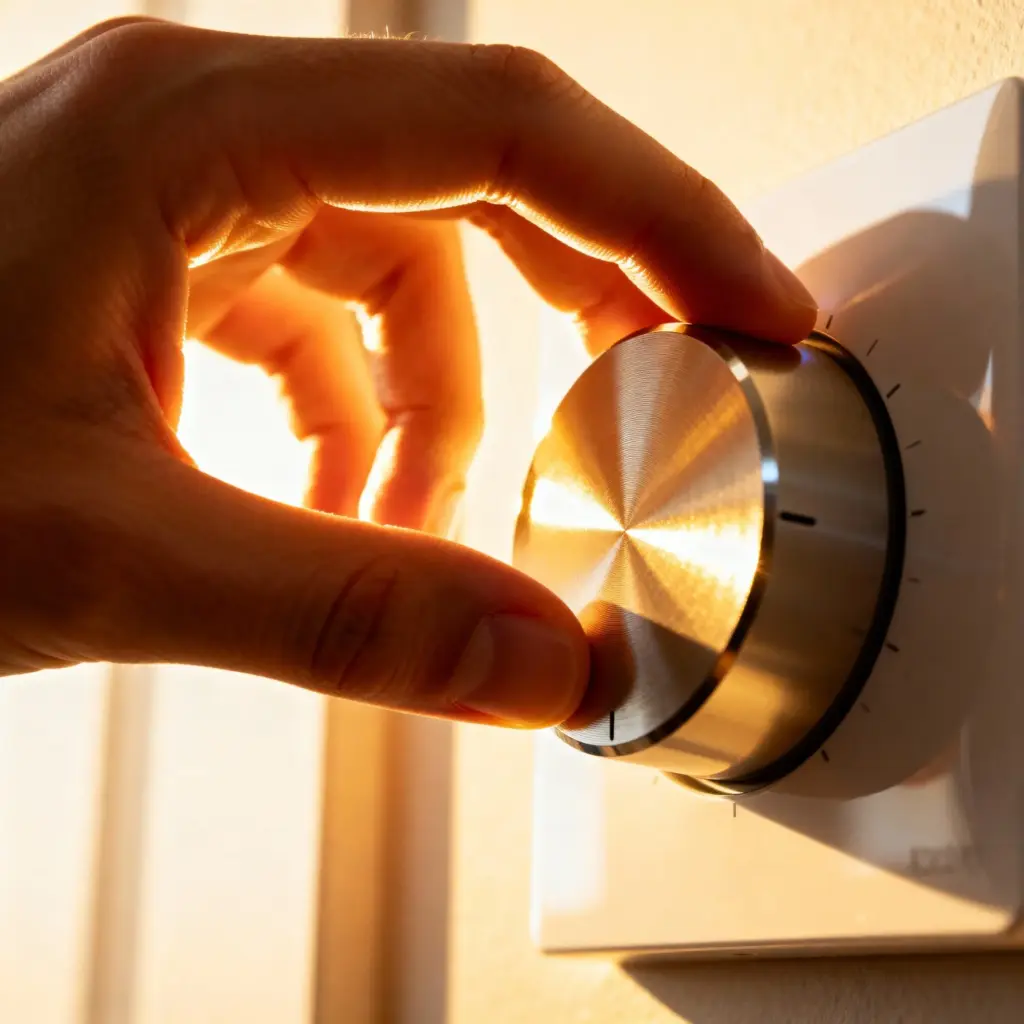
Collect data at sensible intervals, respecting battery life and privacy. Apply light filtering, derive features—like start current, runtime distribution, and temperature deltas—and compare against recent baselines. Flag persistent deviations instead of single spikes. Summarize with friendly language that explains what shifted and why it matters. Attach a quick checklist—clean, tighten, inspect, replace—and a link to documentation. Each alert should feel like a coach’s nudge, not a scolding interruption.
Choosing the Right Model
Start with rules. If static pressure rises and airflow falls, suspect a clogged filter. When patterns vary with seasons or occupancy, try moving averages, ARIMA, or Holt‑Winters. For multivariate quirks, isolation forests or simple autoencoders can highlight odd combinations. Avoid opaque complexity until benefits are clear. Always log decisions and allow overrides. The best model is the one you understand well enough to maintain, improve, and gracefully retire when conditions evolve.
Notifications People Actually Appreciate
Design alerts that respect attention. Batch low‑priority nudges, escalate only when issues persist, and provide a pause button for vacations or guests. Include a confidence rating, evidence snapshot, and the smallest next action. Suggest affordable parts with links, or a preferred local service. Celebrate resolved alerts with a friendly summary of savings and lessons learned. When people feel informed and empowered, they welcome messages—and they act on them quickly, calmly, and correctly.

HVAC That Breathes Easier
Track static pressure, blower current, and coil temperatures to reveal airflow restrictions. When the fan spins longer for the same comfort, or pressures creep up, it is time to clean coils, change filters, or adjust duct dampers. Replace inexpensive belts before they fray. These small acts restore efficiency, protect compressors, and extend lifespans. Comfort improves, noise fades, and energy bills drift downward, all because you noticed gentle trends instead of dramatic failures.
Water Heaters Without Surprises
A leak sensor near the pan and a temperature probe at the outlet create early warnings. rising runtimes or popping sounds suggest sediment; decreasing hot‑water stability hints at an anode nearing replacement. One reader wrote that a Saturday alert saved their finished basement after a valve weakened. A quick swap, a flushed tank, and a fresh anode rod restored quiet, efficient operation. Prevented disasters rarely make headlines, yet they change lives.
Privacy, Trust, and Responsible Automation
A helpful home must also be a respectful home. Prioritize local processing, share only what is necessary, and give transparent controls for data, decisions, and destinations. Keep logs human‑readable, and make it easy to silence, delete, or export. Use strong authentication, segmented networks, and verified updates. Choose open, well‑documented standards where possible. When systems earn trust through restraint and clarity, people lean in, learn faster, and let automations carry more responsibility with confidence.
DIY Playbook: Start Small, Scale Smart
You do not need a lab to begin. Choose one appliance, add a single sensor, and build a tiny habit around reviewing data. Document your baseline and record small changes. Automate one action, like a calendar reminder or filter order. Reflect on results, then expand carefully. Each improvement teaches you something new, and soon you will see your home’s systems as collaborators. Momentum arrives quietly, with fewer surprises and many more calm mornings.
Pick One System and Instrument It
Start with a priority: HVAC, a refrigerator, or a sump pump. Add a smart plug, a temperature probe, or a vibration sensor where it tells the clearest story. Capture a week of readings to establish normal behavior. Label your graphs and note context, like weather or visitors. This simple discipline turns raw data into a living baseline, ready to highlight subtle, meaningful changes worth your attention and a quick, timely action.
Build Your First Automation
Using Home Assistant or Node‑RED, craft a gentle automation. If runtime exceeds baseline by twenty percent for three days, send yourself a friendly message with evidence and next steps. Include a link to a parts list or cleaning guide you trust. Give it a snooze button and an acknowledgment option. When automations feel considerate and helpful, you will check them more often, act faster, and keep everything running smoothly without dread or drama.
Measure, Learn, Repeat
Revisit outcomes monthly. Did interventions reduce runtime, energy, or noise? Capture before‑and‑after snapshots and keep a maintenance journal. Share anonymized charts with a community forum to compare notes and discover better thresholds. Periodically prune sensors you do not need, and strengthen the ones that mattered. This loop—observe, act, reflect—creates durable confidence. Over a year, you will notice fewer emergencies, smaller bills, and a home that quietly says thank you.
All Rights Reserved.